Connecticut College
  • About Connecticut College
  • Academics
  • Admission & Financial Aid
  • Alumni & Life After Conn
  • Athletics
  • Campus & Community
  • Career Preparation
  • Human Resources
  • Student Experience
  • Calendar
  • News
  • Directory
  • Library & IT
  • CC Magazine
  • Site Map
CamelWeb

Connecticut College Annual Report 2025

Student-Athlete Experience

Recruiting & Coaching Excellence

Improving Athletics Facilities

Camel Athletics Network

Financial Summary

Honor Roll

  • Home 
  • Home 
  • Slides 
  • Annual Report 2025
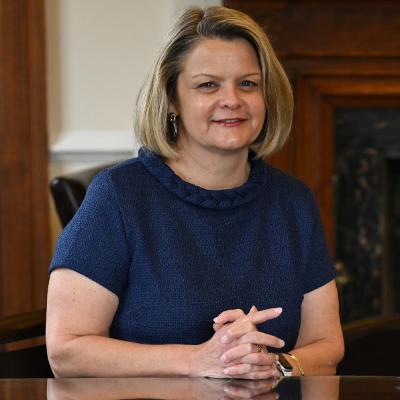
President Chapdelaine

From the President

Looking back on the past year, I am inspired by all that Connecticut College has accomplished. Our rise into the Top 50 of U.S. News & World Report’s liberal arts rankings is a strong affirmation of the College’s academic excellence and enduring commitment to the liberal arts. Yet our most meaningful measures of success are found every day—in the dedication of our faculty and staff, the achievements of our students, and the generosity of those who believe in Conn’s future.

This year’s annual report highlights one area of extraordinary momentum: Camel athletics. In 2024–2025, Conn enjoyed the most successful year in its history, with our highest Learfield Directors’ Cup ranking and more than 70% of teams advancing to post-season play. Our student-athletes also excelled academically, with a combined GPA of 3.65 and nearly two-thirds earning NESCAC All-Academic honors. These accomplishments reflect the balance of intellectual engagement, resilience and teamwork that defines the Conn experience.

Such progress is possible because of the remarkable support of alumni, families and friends. Your investments in coaching, facilities, equipment and annual resources have transformed opportunities for our students and elevated Camel athletics to new heights.

I am grateful for all that you do to sustain and strengthen this community. Together, we are ensuring that Conn continues to flourish—and that our students are prepared to lead with character, intellect and purpose.

With gratitude,
Andrea E. Chapdelaine, Ph.D.
President

Enhancing the Student-Athlete Experience


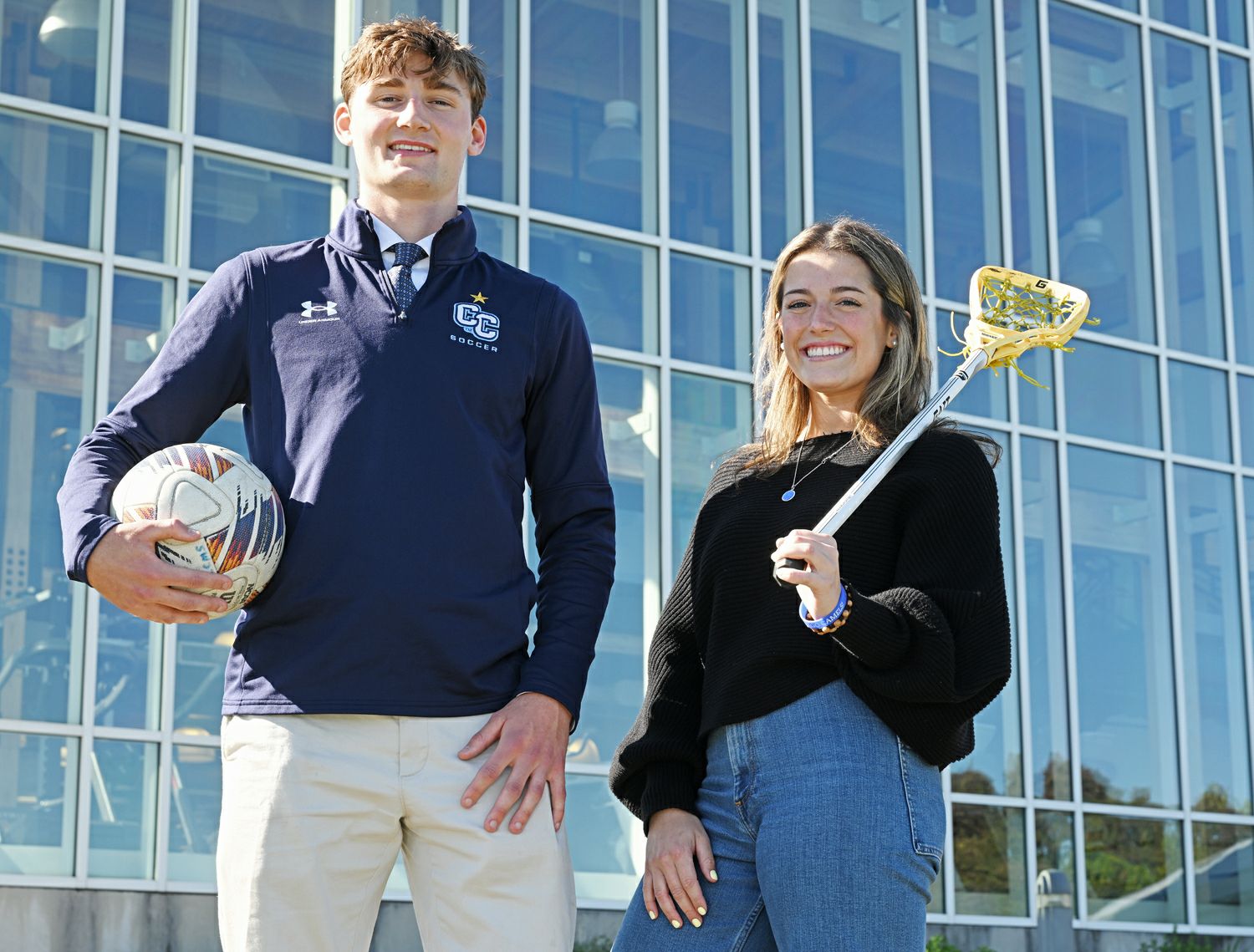
Student athletes

Current and former teammates have taught me some of the most important lessons on and off the field.

—Campbell Johnston ’26

W

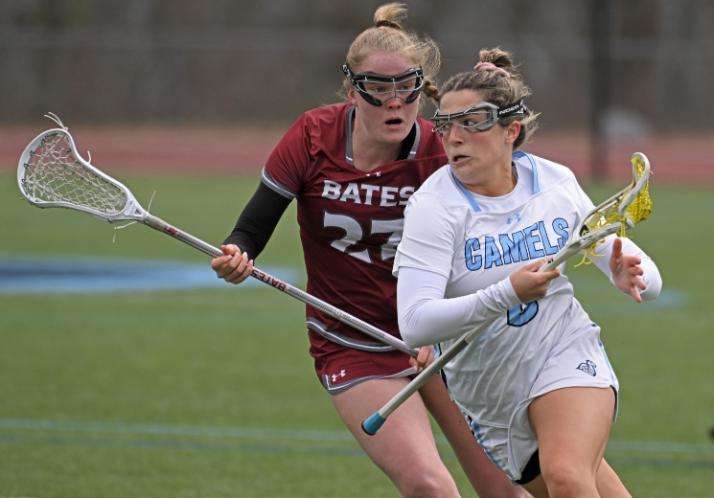
e sat down with two outstanding scholar-athletes—Women’s Lacrosse player Campbell Johnston ’26 from Duxbury, Massachusetts, and Men’s Soccer player Charlie Miles ’27 from Tarrytown, New York—to discuss their experience at Connecticut College. They spoke about the supportive environment that extends far beyond athletic competition and the ways in which the intimate scale of the institution enables deep relationships with faculty and with teammates who become lifelong friends. They also shared the many meaningful opportunities for leadership development and community engagement.

Read the Interview

Why did you choose Connecticut College?

Campbell:
I chose Conn because my brother played lacrosse at Trinity and I knew I wanted to go to a NESCAC school. I also wanted a school near the water with strong science programs. Meeting Coach [Lisa] Vogeley during recruiting was pivotal—she was such a spitfire and so full of Camel pride. As a neuroscience major with a psychology minor, I found everything I was looking for: great academics, athletics, location, small-school feel and an up-and-coming program.

Charlie:
Soccer has always been an important part of my life. My father is from the U.K. and has been a huge supporter. I was initially considering DI schools, but ultimately decided I wanted the DIII experience with an intense fall season and the flexibility to study abroad during the off-season. [Charlie is spending the upcoming spring semester in Madrid]. The NESCAC’s academic reputation was also appealing. After an overnight visit where I stayed with a player from Rye near my hometown, I committed within days.

What are some of the advantages of being at a small liberal arts college?

Campbell:
The College offers everything I wanted. I’m a neuroscience major and psychology minor. Small class sizes are a major strength. The largest class I’ve had was 60 students and I still had a really good relationship with my professor. I’ve built strong relationships with professors. The Academic Resource Center’s tutoring support has been invaluable. I had the same tutor, David, for two years. He helped me so much, particularly with organic chemistry.

Charlie:
I didn’t know what I wanted to do when I first got here, which made Conn’s approach appealing since you don’t declare your major until sophomore spring. I started with film classes freshman year and now I’m an international relations major, economics minor and finance minor, which is vastly different. And the professors are amazing. They keep up to date with our playing schedule and wish me luck on game days.

What has it meant to you to be part of a team at Conn?

Campbell:
We’re all just best friends. During games, I always feel the weight lifted off my shoulders because they’re right there. Current and former teammates have taught me some of the most important lessons on and off the field. It’s also the little things that are so important—going to Harris for dinner, car rides for coffee, someone cheering you on in the weight room. And these are lifelong bonds. I’m still really close to teammates who have graduated.

Charlie:
My best friends are on the team. You learn so much about each other playing on a team together which also translates off the field. Having teammates in economics has also provided built-in academic support.

You’re both members of SAAC (the NCAA’s Student-Athlete Advisory Committee that represents their teams to the athletic administration and provides a voice for the student-athlete body). Can you talk a bit about that experience?

Charlie:
I joined SAAC about 18 months ago and am the treasurer this year. The organization transformed when Kaylin [Smith, associate director of athletics] became the advisor. She restructured the group and created an exec board and organized the group into committees. We’re advocating for all student-athletes to strengthen team bonds and put events together. I worked with the AOCC (Athletes of Color Coalition) treasurer to negotiate a budget increase.

Campbell:
I joined SAAC two years ago and am vice president now. With the budget that Charlie mentioned, we were able to host a dodgeball tournament that raised $1,100 for NOSOLO, a mental health organization, during Mental Health Awareness Month. The event drew 200 participants across all sports, which was great. We’ve made massive strides since I’ve been on the board. We want to make things happen for student-athletes, and we want to make things happen on campus.

Would you talk about some of the other organizations you’re involved with?

Campbell:
I’m really involved with Caring Camels, a group started on campus by a former Women’s Lacrosse teammate. About 80 Conn students visit the Transition Academy in Groton weekly to work with students who have mental and physical disabilities. The program hosts events throughout the year, including a field day on campus where our entire lacrosse team participates. Last spring, we organized a graduation banquet in Cro for graduating TA students with signs, party favors and speeches. It was great.

Charlie:
For two years, our team partnered with Landon, a child with type 1 diabetes, through Team Impact. Landon sat on the bench, joined team huddles and participated in activities like bowling and mini golf with his family. Team Impact even flew Landon and his mother to Vegas for the Final Four. It was amazing to watch him go from shy to comfortable around us. Along with the other co-captains, we’ve organized community service events including painting the food pantry, participating in the Walk for Homelessness and visiting elementary schools. Even though it’s not mandatory, participation is expected and well-attended because we do it together—you’re hanging out with the team while giving back.

Charlie, would you talk about being a team captain as a junior? That seems like a real honor.

Charlie:
Being named captain as a junior is unusual but I think it was necessary—the team graduated a large senior class of (12–13) players and we brought in 14 freshmen. I see my role as helping to instill the team’s values and emphasizing priorities. But I don't want to make it seem like only the captains are the authority. Everyone is welcome to voice an opinion. That’s something that I wanted to do as a captain.

Campbell:
I agree. Everyone on the team has a voice, especially on the field. A freshman could contribute equally. I see them as leaders and also mentors.

What are you thinking about for the future?

Campbell:
I interned at Boston University’s Center for Psychiatric Rehabilitation this past summer, working with clients using DBT [Dialectical Behavior Therapy] skills in a holistic, classroom-based recovery program. I’m planning to go to grad school next fall and am working on applications now.

Charlie:
I interned at a private credit finance firm near my hometown this past summer which was really interesting. I’m thinking about a number of different directions. I have to say that the alumni network here has been really helpful. A number of alums have encouraged me to ask any questions I might have and stay in contact. At a bigger school, I don’t think that would happen because they would be flooded with requests. They are phenomenal.

406 Highest number of NESCAC All-Academic selections in College history
28 All America recipients, including first ever in Women’s Hockey
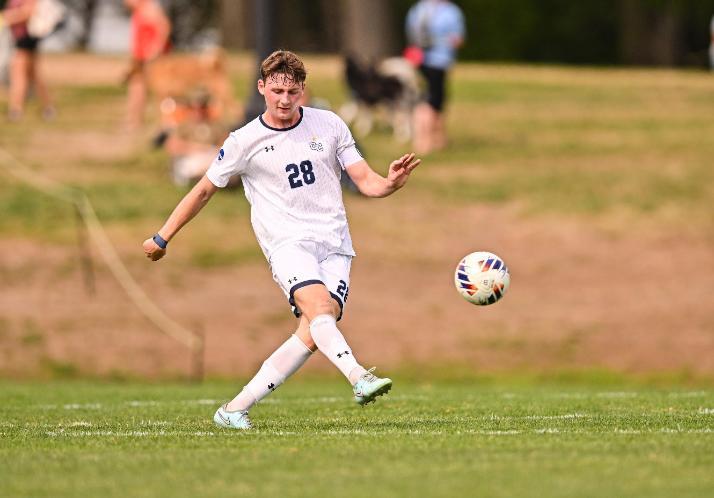
Student playing soccer
Students playing lacrosse

Investing in Recruiting and Coaching Excellence
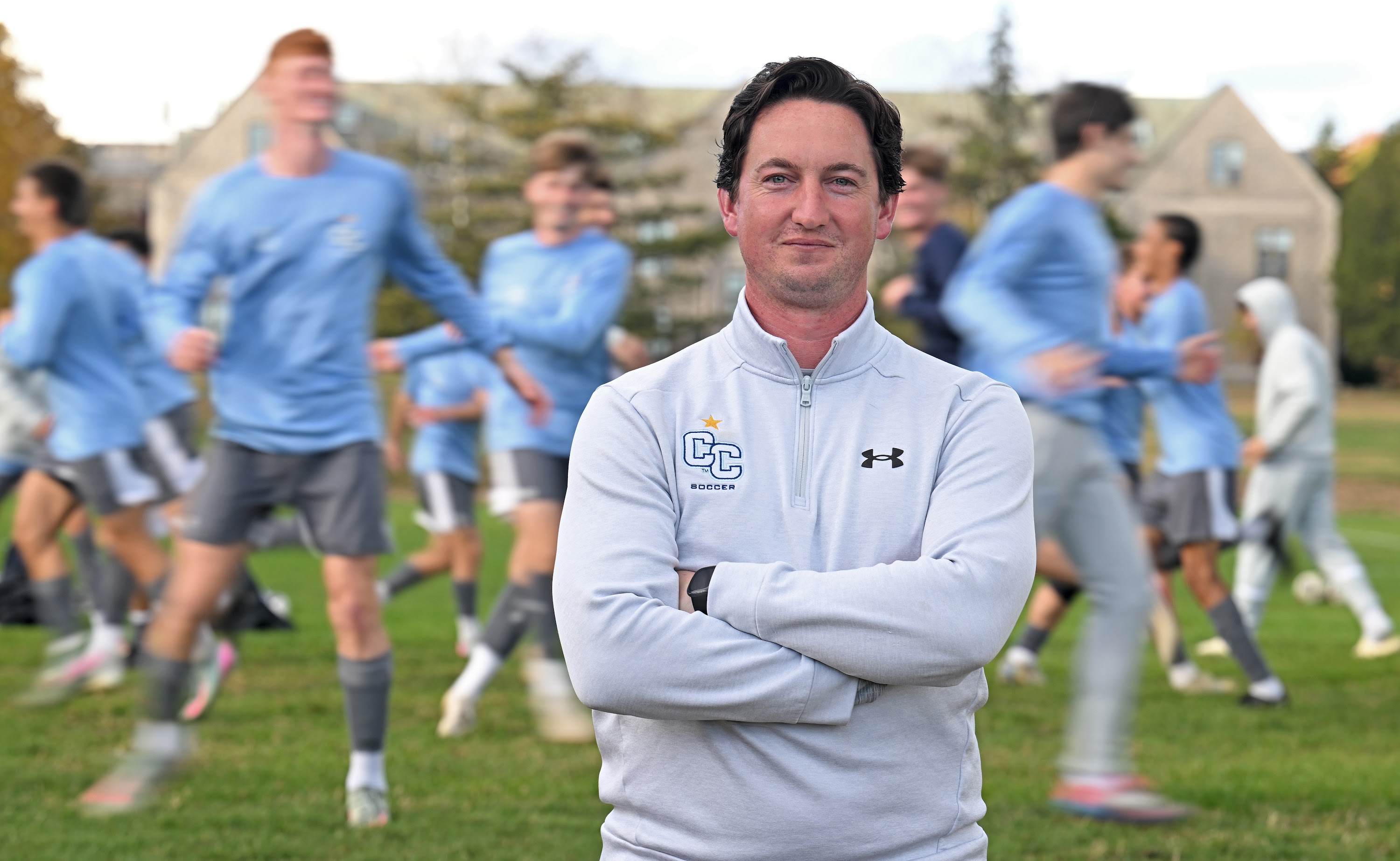

Andrew Storton

I try to focus on the complete person before the player, emphasizing individual relationships as the foundation for team success.

—Andrew Storton

A

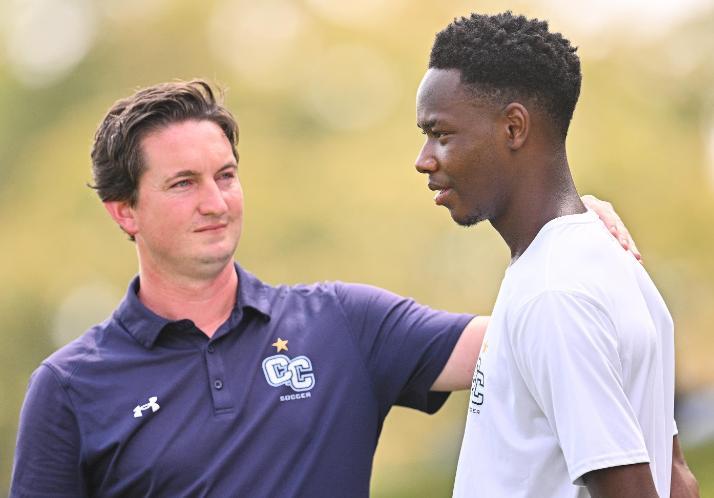
ndrew Storton, associate coach of the Men’s Soccer team, shared his journey from West Ilsley, England, to becoming one of Division III soccer’s most successful coaches, highlighting his relationship-centered philosophy, his comprehensive approach to player development and the transformative impact of institutional investment in coaching excellence and recruiting.

Read the Interview

You’ve seen firsthand how the College’s investment in athletics has changed the soccer program. What difference has it made?

Andrew:
The investment in the athletics program has allowed for varsity sports to hire full-time assistants for almost all of our teams. This is so important because when coaches have to juggle other jobs, it’s really hard to excel at what you do. Having full-time assistants means we can truly be there for our players every day. As a head coach, you have so much else going on and you’re thinking from such a higher point of view. Having full-time assistants who can touch base with each player, each day at practice and be available to our student-athletes is critical to a team’s success. When you couple that with the ability to cover the entire nation for recruitment, it is incredible.

How has that support affected your ability to recruit student-athletes?

Andrew:
It’s no secret that tons of student-athletes want to play in the NESCAC—they want to combine playing at the highest level alongside getting a great education. We want to make sure that we recruit players who will do well in our program. Because Reuben [Burk, head coach] and I are able to travel together to major showcases with 70+ teams, we can double our effectiveness. We maintain a multiyear recruiting calendar tracking every event and successful area we’ve covered from coast to coast. The investment allows us to pre-plan detailed manifests of high-interest players and event schedules, so once we’re there, at that point it runs like clockwork. By day’s end, we’ve collected information on players and can compare notes to prepare for the next day. This has transformed our program.

Would you share a bit about your coaching philosophy?

Andrew:
I take getting to know each player individually very seriously—what motivates them, what makes them tick, what really drives them. I try to focus on the complete person before the player, emphasizing individual relationships as the foundation for team success. If we want to get the absolute maximum out of players, it's going to be in an environment that is very deliberate about pushing them. You have to build that bond and trust where players can hear feedback about what they are doing well and where they need to improve. We also have biweekly academic check-ins with each player—reviewing schedules, grades and upcoming assignments to help them balance the demands of being a student-athlete.

I think something that's been central to the team’s success is a “never too high, never too low” mentality that keeps players grounded in the present moment. This helps players focus on daily excellence. Can we be the best version of ourselves today? And then if we can, we’ll put ourselves in a really good position each season. One particular result doesn’t affect what we do the next day. The result essentially is the byproduct of what we did the days prior. And now the next game or practice is the focus. There’s never a point where we get ahead of ourselves because we’re excited about a win or where we get really low if it’s a bad result. It’s about practicing, preparing, playing, reflecting and then repeating it.

What do you find personally gratifying about coaching at Connecticut College?

Andrew:
There is something special about seeing someone go from a junior in high school, meeting their parents, getting to know them, seeing them come through the program, be successful, get these great internships, find the next step in their lives and then watching them walk across the stage at graduation. There’s no better feeling than looking back and thinking, “I remember the very first time meeting you. Now look at you.”

Path to Conn

Andrew’s journey to Connecticut College began unconventionally. After earning his UEFA ‘B’ coaching qualifications by age 20 in the U.K., he came to the U.S. in 2009 seeking coaching experience through Major League Soccer Camps based in Mystic, Connecticut. What was intended as a summer opportunity evolved into a permanent career path. Returning to England at the end of the summer, he found himself missing the U.S., so he returned the following spring. That Memorial Day, he met his wife, Hannah, at a post-game party after playing in a charity soccer match in Wilton, Connecticut. A year and a half later they were married. As Andrew says, “I’d always idolized the American dream from a young age and saw myself ending up here.” He now resides in Niantic with his wife and their two sons, Oliver and William.

Before joining Connecticut College, Storton had already built an impressive coaching resume in southeastern Connecticut. He served as head boys' soccer coach at Bacon Academy in Colchester from 2012-2018. During this tenure, he earned ECC Large Division Coach of the Year honors three times and Norwich Bulletin Coach of the Year twice, while leading the team to four ECC Division championships and two Class M State Cup final appearances. 

In a remarkable display of commitment to his future, Storton enrolled at Mitchell College in 2015 at age 27 to earn an American degree—a credential he recognized as essential for advancement in collegiate coaching. While completing his degree, he also played on the men’s soccer team, becoming the top scorer during his junior year in 2017 when Mitchell won its first-ever conference championship and advanced to the NCAA Tournament. He graduated magna cum laude in three years in 2017 and is currently working toward his Masters degree in Sports Management at the University of Florida.

Storton’s coaching excellence has earned national recognition: USC National Coaching Staff of the Year (2021, 2024) and NCAA Men’s Division III National Coaching Staff of the Year (2021).

80 Percentage of teams that have full-time assistant coaches
6x Increase in recruiting resources since 2019
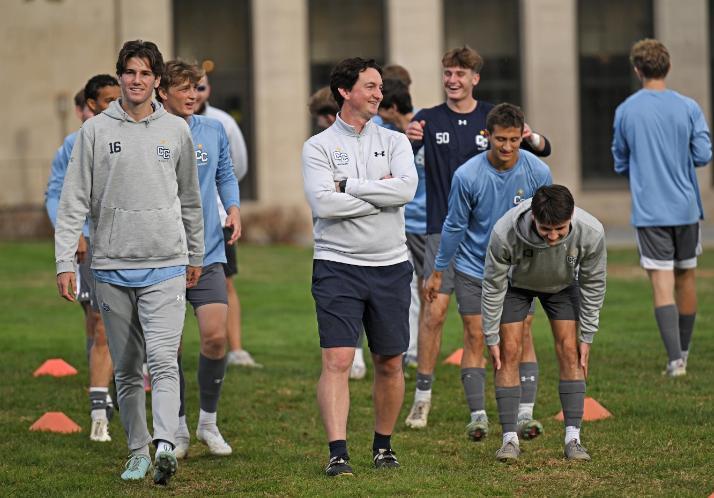
Andrew Storton
Andrew Storton

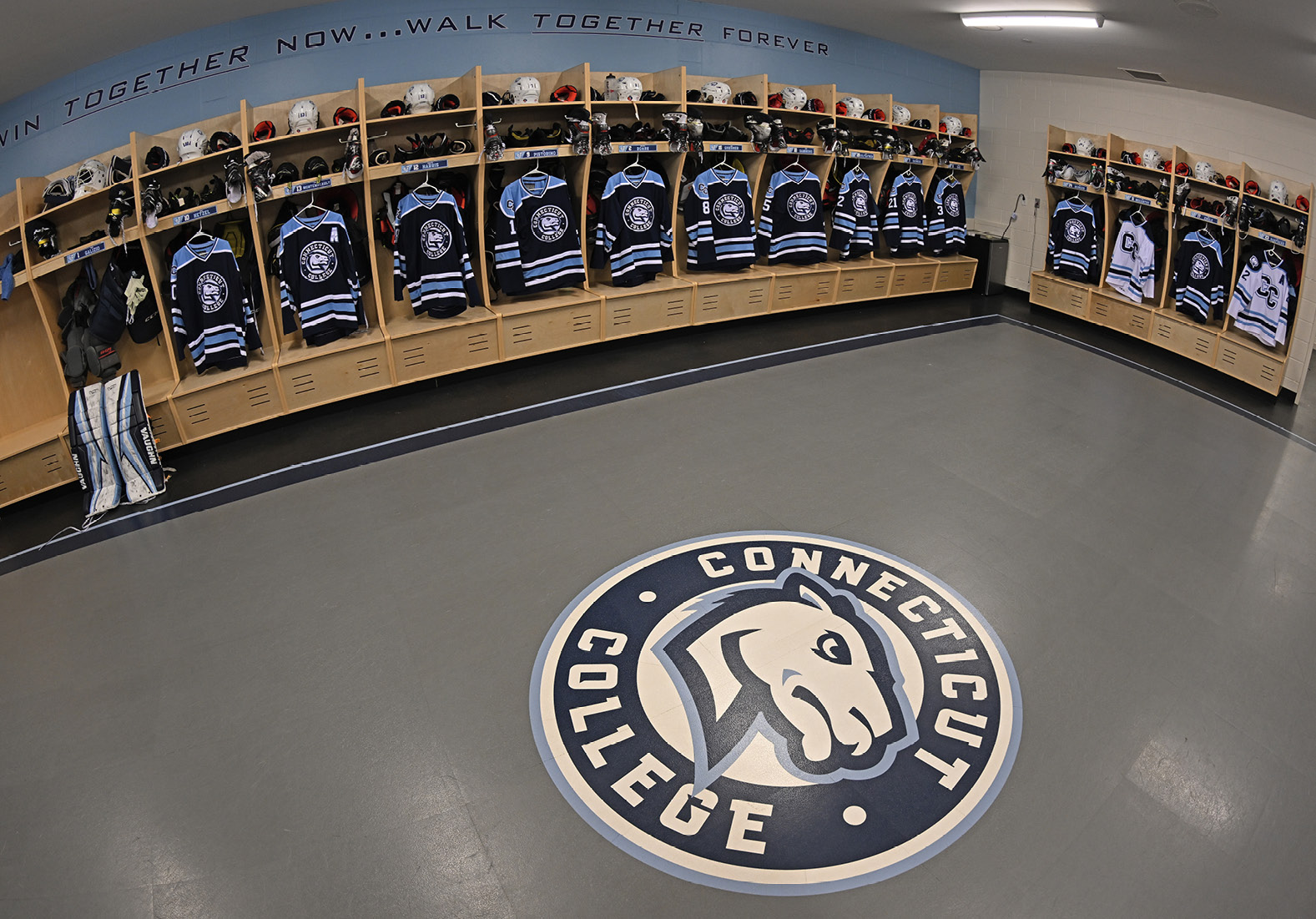
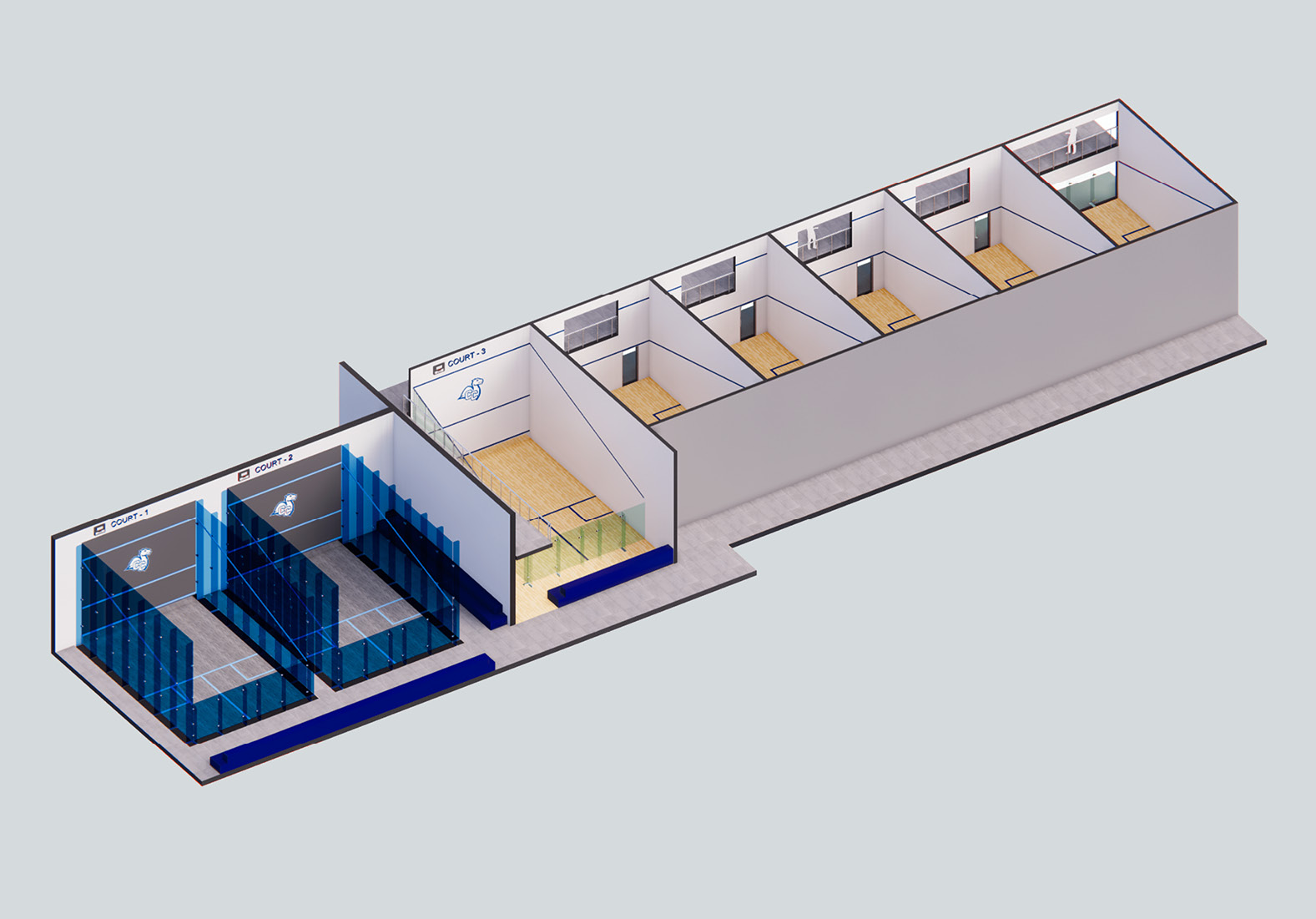
Improving Athletics Facilities


Our greatest source of pride is the work that we do to develop future leaders.

M

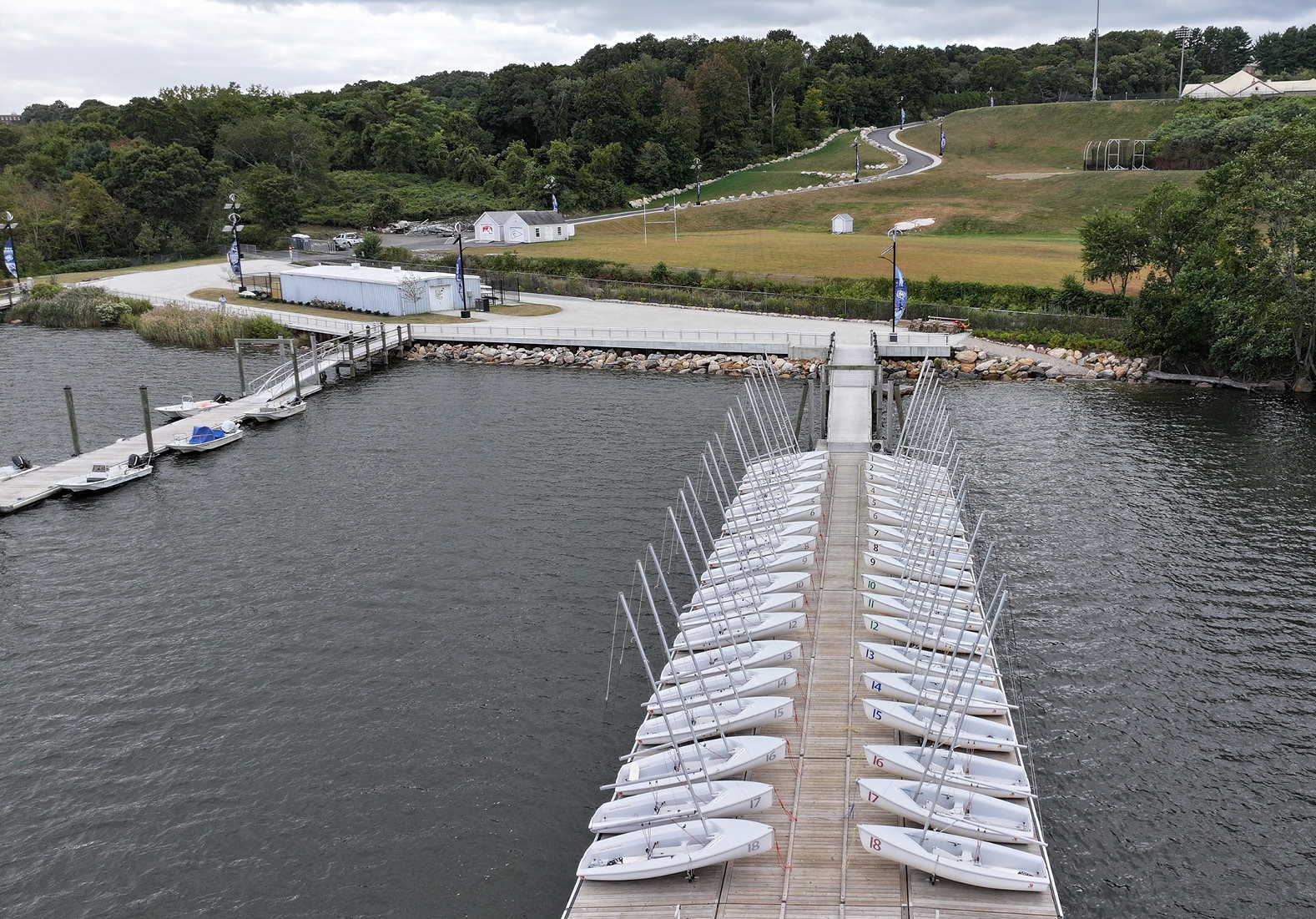
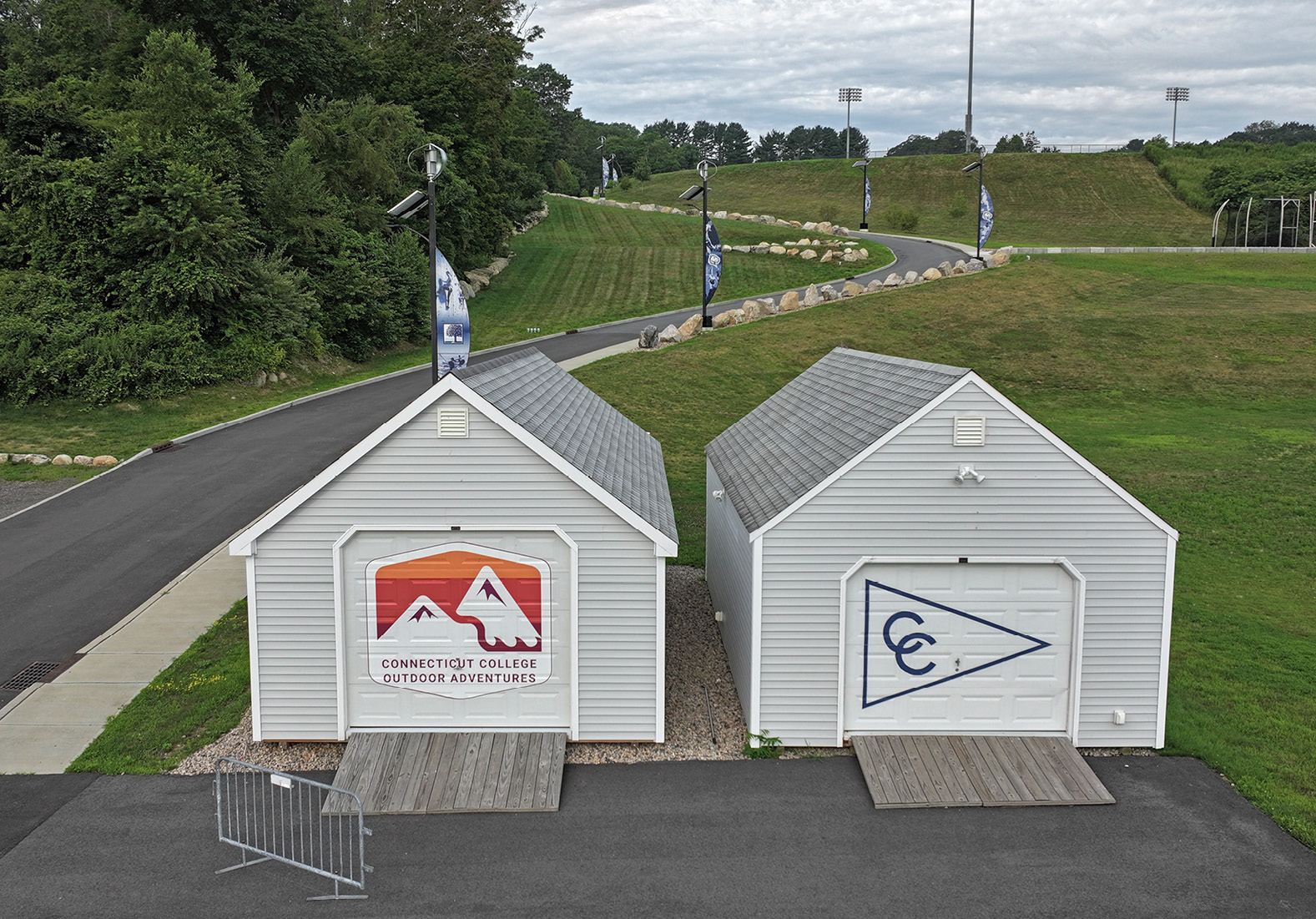
o White, director of athletics, discusses the major improvements that have been made to the athletic facilities, as well as the work that remains to ensure Conn’s ongoing competitive success.


$12M Invested in facility and equipment improvements since 2019
2026 Completion of new grandstand and press box
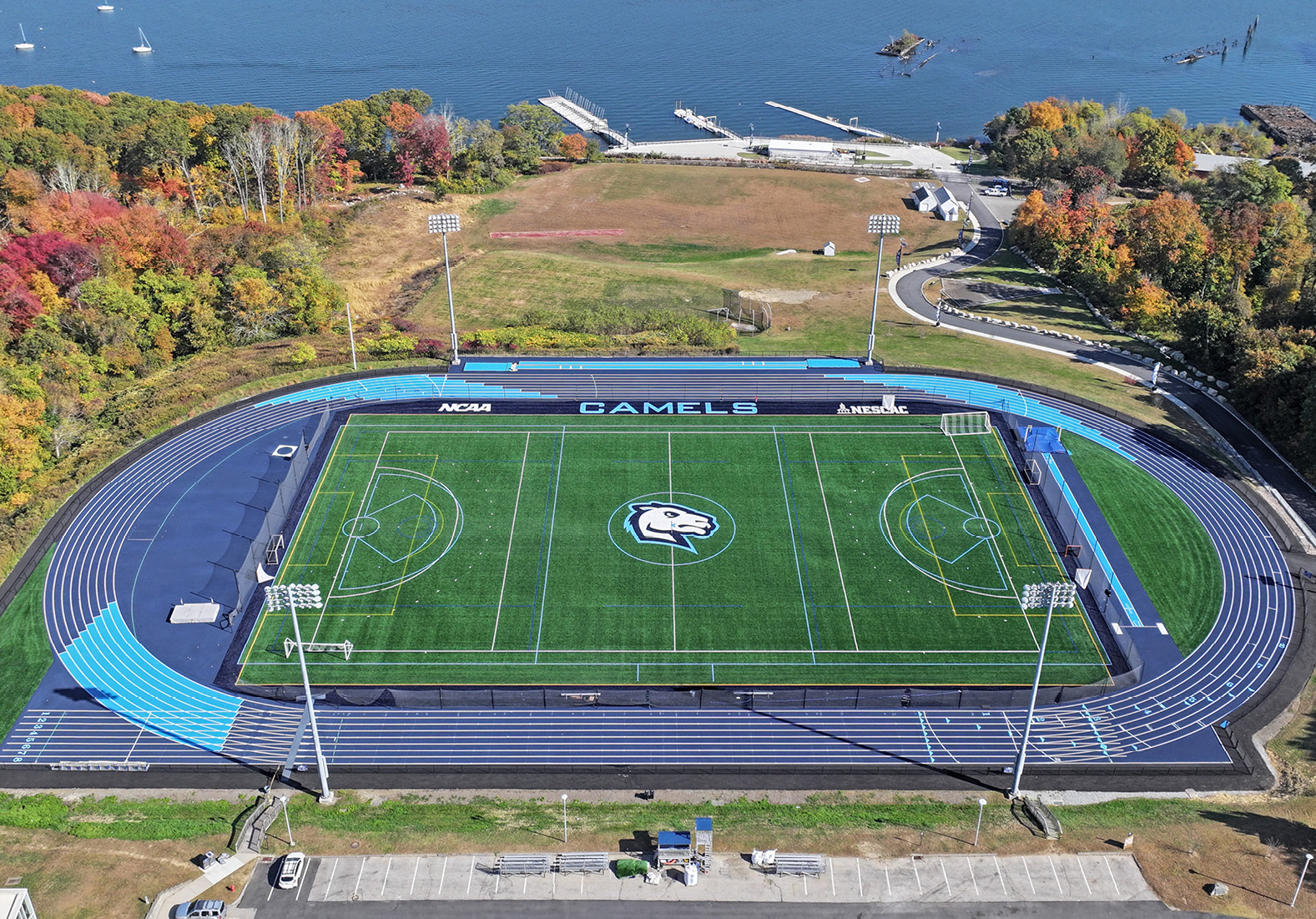
Athletic Facilities
Athletic Facilities
Athletic Facilities
Athletic Facilities
Athletic Facilities
Athletic Facilities
Athletic Facilities
Athletic Facilities

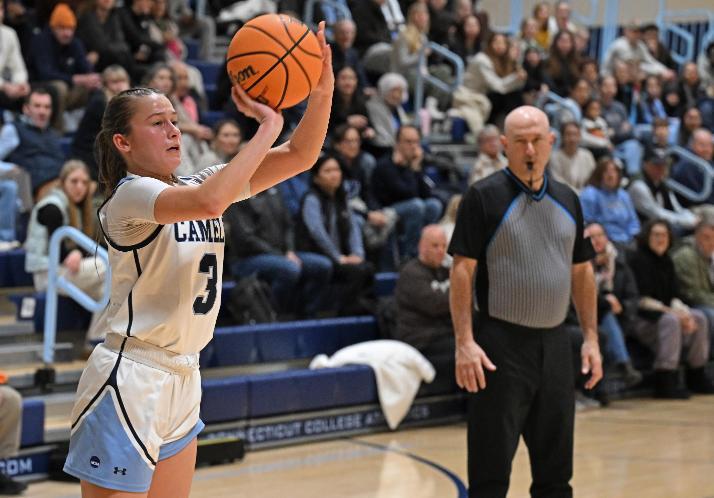
Strengthening the Camel Athletics Network


The Camel Athletics Fund is essential to the success of each of our 28 varsity teams, making it possible to excel in the NESCAC.

J

ared Holowaty, director of the Camel Athletics Network, shares the work of the Network in bringing the Conn community together to celebrate our amazing student-athletes.

$4M Amount Camel Athletics Fund has contributed to the athletics annual budget since 2019
$418K Record amount raised during Fall 2024 All In To Win annual Camel Athletics Competition
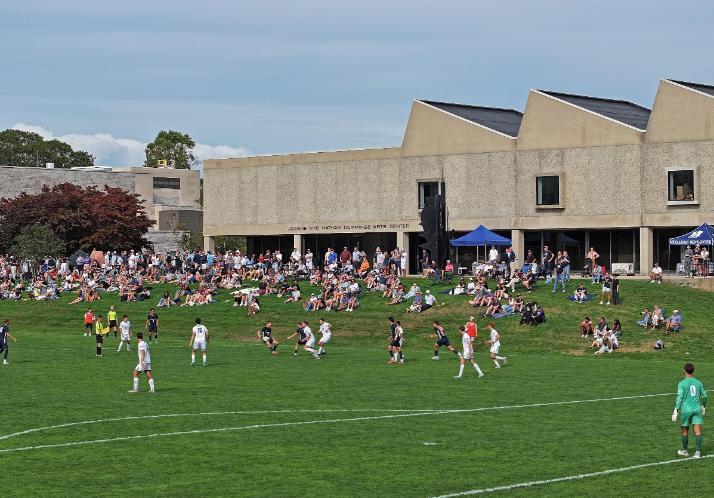
Sporting event
Basketball Game

Financial Summary


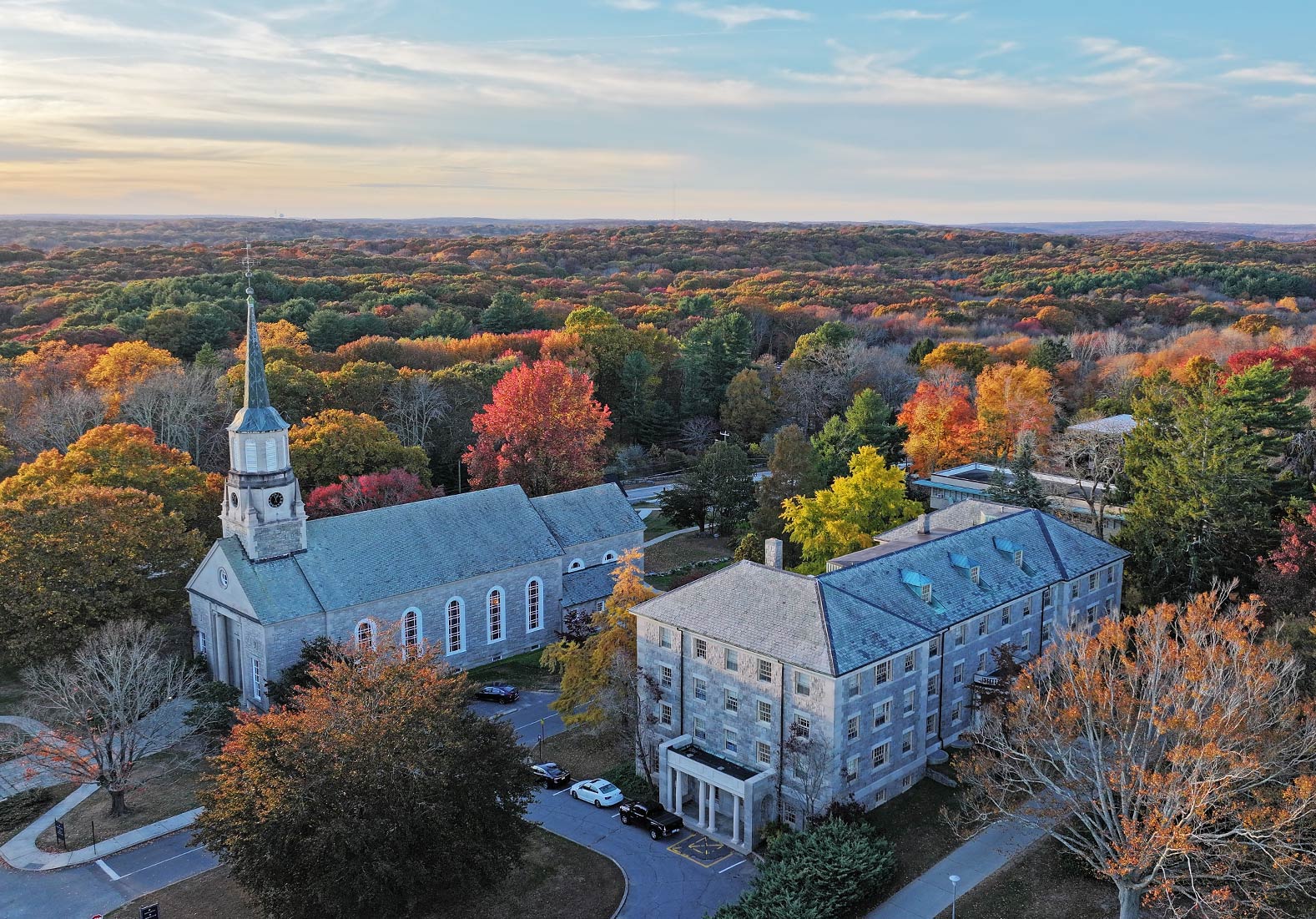
An aerial photo of the campus in autumn.

F

or the fiscal year ending June 30, 2025, the Connecticut College pooled endowment (part of the endowment, not including perpetual trusts) was valued at approximately $510.9 million. The endowment returned 11.6% compared to a policy benchmark of 12.8%. We have performed in the upper half of the college and university endowment universe as monitored by Cambridge Associates, a firm that tracks the performance of foundations and endowments nationwide, where the median was 11.2%. We are pleased to report that the endowment has performed in the top quartile for the last 5 years as compared to this same group of diversified portfolios. The average annualized return of the College-managed endowment portfolio for the past three-, five- and 10-year periods was 10.4%, 11.8%, and 8.5%, respectively.

See the details


$30 million available 2024-2025 funding from the endowment
$6.9 million in endowed scholarships
$3.5 million in endowed professorships & directorships
$12 million in unrestricted endowment

Honor Roll of Giving


We are deeply grateful to the generous individuals and organizations, including 800 first-time donors, whose contributions over the past year continue to sustain the vibrant community at Connecticut College. Your support empowers our exceptional students to make the most of the opportunities offered at Conn as they prepare for lives of meaning and purpose. Every gift, large or small, enriches the academic, cultural and social life of our College, making it possible to uphold our mission of putting the liberal arts into action. Thank you for being an essential part of our story and investing in the future of this extraordinary institution.

Connecticut College
270 Mohegan Avenue
New London, CT 06320
admission@conncoll.edu
1 (860) 447-1911
Web Privacy Policy Web Accessibility Notice
  • Facebook
  • Twitter
  • Instagram
  • YouTube
  • LinkedIn
  • TikTok
  • CC Mobile CC Mobile

NOTICE OF NONDISCRIMINATORY POLICY

Connecticut College is an equal opportunity employer. The College complies with all federal, state, and local laws, regulations, and ordinances prohibiting discrimination in private post-secondary education institutions. The College does not discriminate against any employee, applicant for employment, student, or applicant for admission on the basis of the following protected characteristics: age, citizenship status, color, creed, disability (physical or mental), domestic violence victim status, ethnicity, gender expression, gender identity, genetic information (including family medical history), lawful source of income, marital status, national origin (including ancestry), pregnancy or related conditions, race, religion, sex, sexual orientation, veteran or military status (including disabled veteran; recently separated veteran; active-duty, wartime, or campaign badge veteran; and Armed Forces Service Medal veteran), any other status protected by federal, state, or local law.