Connecticut College
  • About Connecticut College
  • Academics
  • Admission & Financial Aid
  • Alumni & Life After Conn
  • Athletics
  • Campus & Community
  • Career Preparation
  • Human Resources
  • Student Experience
  • Calendar
  • News
  • Directory
  • Libraries & Technology
  • CC Magazine
  • Site Map
CamelWeb

Global Capitalism

Mathematics-Department

Global Capitalism

Connections

View All Pathways

Pathway Requirements

Majors and Minors

  • Home 
  • Home 
  • Slides 
  • Global Capitalism Pathway mockup

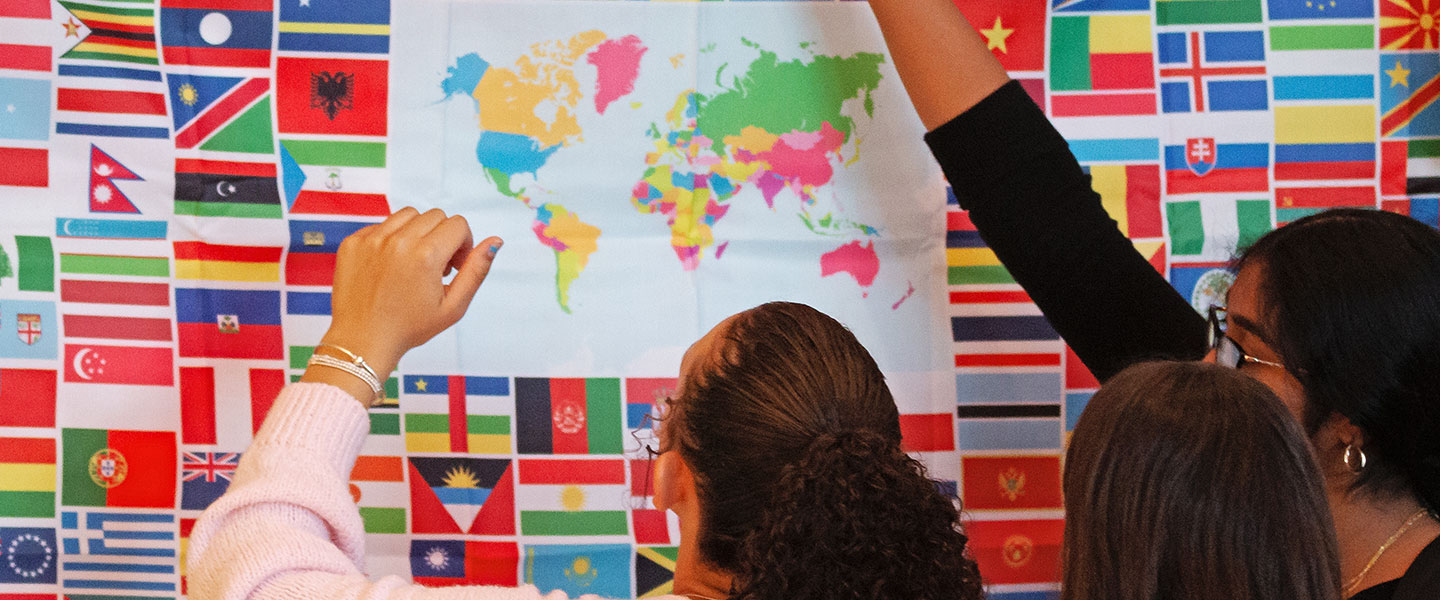
From political movements to technological advances to representations of race, capitalism influences everything. Explore its power.

The Global Capitalism Integrative Pathway will cultivate critical thinking on the topic of capitalism as a social, economic and cultural form. Students will explore the historical origins and dynamics, social structures, lived experiences of, challenges to, and power of capitalism in a broad range of global and local contexts and across multiple media. The Pathway provides opportunities for students to explore the ways in which capitalism influences cultural representations and contestations, political institutions and movements, social inclusions and exclusions, technological and scientific advancements, and the dynamics of production, commerce and exchange. Themes include the environment, sustainability, the production and consumption of knowledge, dispossession, ecology, gender, identity, imperialism, labor, migration, representation, race and social movements.

While students construct their own animating questions, some possible examples include:

  • Is it possible to escape the colonial gaze in museums honoring the history of indigenous peoples?
  • How does global capitalism promote or discourage democratic representation in the United States?
  • How has capitalism impacted colonized peoples' public health and access to care?
  • Does capitalism foster social mobility as advertised in the “American Dream?"
  • Is it possible to eliminate the class inequalities generated by capitalism?
  • How can government policy exacerbate or mitigate the negative effects of global capitalism?
  • Is a truly sustainable food system possible under a global neoliberal economy?
  • How has literary production derived from a global capitalist culture represented black women?
  • How do capitalist institutions perpetuate the “culture of poverty”?
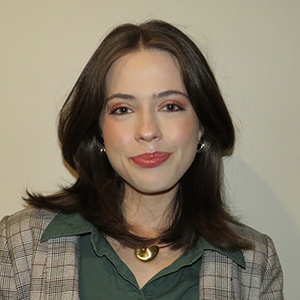
Headshot of Rachel Letts, Class of

Rachel Letts

For Rachel, an economics and Hispanic studies double major from Swarthmore, Pennsylvania, the journey to the All-College Symposium didn’t begin at Connecticut College.

“I actually started my college career at Penn State University,” she explains. “When I was completing transfer applications, I really felt that what was missing from my college experience was a way to combine my majors in a meaningful way. I knew Connecticut College was where I was meant to be as soon as I heard about the Connections program.”

At Conn, she found her place in the Global Capitalism Pathway and began conducting research in the local community. “I realized New London has a large Hispanic population that is disproportionately low income and homeless. After completing my sophomore Pathway seminar, I realized that the economic inequality I was exploring was systematically achieved and deeply ingrained in our capitalist system,” she says.

That realization shaped Rachel’s scholarly efforts and will culminate in her All-College Symposium presentation, “How Does Ethnicity Impact Hispanic Communities in Our Global Capitalist System?”

“Concentrating [all my work at Conn] into one presentation while thinking deeply about my takeaways, I realized for the first time that I had truly achieved my goal of doing something, independently, that was meaningful and impactful during my time in the classroom,” she enthuses. “I feel so excited for the Symposium to have the opportunity to share with friends, faculty and family all the work I've done during my time in College: What it has meant to me, what it has taught me, and how it has shaped me into the person I am today.”

Now, Rachel is hard at work on her honors thesis, an economic analysis exploring the labor market impacts of mass deportation. After graduation, she hopes to move to Boston to continue working with Hispanic communities or in immigration aid.

Pathway Requirements


Thematic Inquiry

The Thematic Inquiry course will introduce students to global capitalism as a historical and theoretical field of study as well as an arena of contestation and engagement. Topics include theories of capitalism, imperialism, colonialism, communism, forms of resistance, neo-liberalism, globalization, urbanization, reparations, restorative justice and the future of capitalism. In the second half of the course, students will develop an animating question, map itinerary courses, create a global-local engagement plan and fashion some preliminary ideas for a senior reflection project.

Global/Local Engagement

Each Pathway requires students to pursue purposeful engagement in a local or international context, such as study away, an internship or community-based learning.


Pathway Courses

All students in the Pathway will complete at least three Pathway courses, based on their specific interests and animating questions.

Example Courses


All-College Symposium


This major student conference highlighted students’ integrative learning in Connections, the College’s reinvention of the liberal arts. 

Through talks, panels and poster sessions, students who participated in the College’s Centers for interdisciplinary scholarship or the Integrative Pathways showcased how their coursework and experiences informed their studies and learning over four years.

All-College Symposium

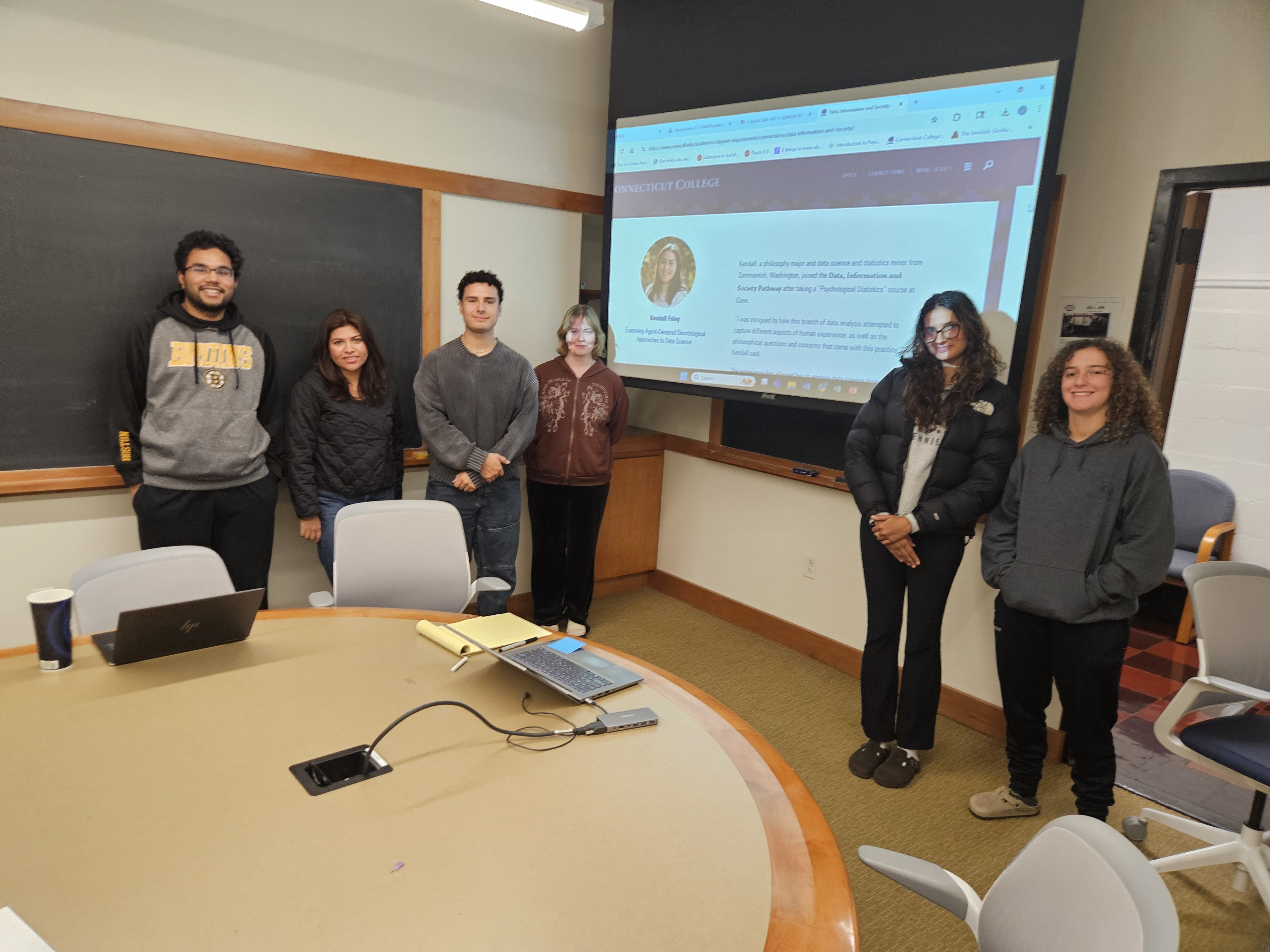
Data Pathway Seniors 2026 Group Photo


Pathway Coordinator


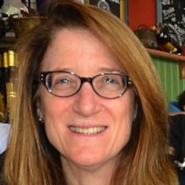
Sarah Queen

Global Capitalism Pathway Coordinator, Professor of Histor

Sarah Queen's primary research examines China's philosophical and religious foundations as it was expressed in early texts written by practitioners of the Confucian and Daoist traditions. Her research focuses on the ways in which these two traditions shaped early ethical and spiritual norms, conceptions of the body, state, and cosmos as well as Confucian and Daoist self-cultivation as distinctive forms of religious experience.

Core Faculty & Staff

Connections

P: 860-439-2899 E: eofri@conncoll.edu

Mailing Address

Connecticut College
Fanning 206
270 Mohegan Ave.
New London, CT 06320

Contact

Libby Friedman ’80
Assistant Dean of the College for Connections

Office

Fanning Hall 206


Connecticut College
270 Mohegan Avenue
New London, CT 06320
admission@conncoll.edu
1 (860) 447-1911
Web Privacy Policy Web Accessibility Notice
  • Facebook
  • Twitter
  • Instagram
  • YouTube
  • LinkedIn
  • TikTok
  • CC Mobile CC Mobile

NOTICE OF NONDISCRIMINATORY POLICY AS TO STUDENTS

Connecticut College admits students of any race, color, national and ethnic origin to all the rights, privileges, programs, and activities generally accorded or made available to all students at the college. It does not discriminate on the basis of race, color, national and ethnic origin in administration of its educational policies, admission policies, scholarship and loan programs, and athletic and other college administered programs.