Connecticut College
  • About Connecticut College
  • Academics
  • Admission & Financial Aid
  • Alumni & Life After Conn
  • Athletics
  • Campus & Community
  • Career Preparation
  • Human Resources
  • Student Experience
  • Calendar
  • News
  • Directory
  • Libraries & Technology
  • CC Magazine
  • Site Map
CamelWeb

Peace and Conflict

Mathematics-Department

Peace and Conflict

Connections

View All Pathways

Pathway Requirements

Majors and Minors

  • Home 
  • Home 
  • Slides 
  • Peace and Conflict Pathway mockup

War is among the most devastating forces in human history. Explore how communities resolve conflict and develop stable infrastructures.

War can cost communities their people, ecosystems, economies, political structures, ambitions, artistic creations, imaginations, and even their histories. As a result, one of the most vexing problems for nearly all human beings throughout time has been how to maintain peace. The Peace and Conflict Pathway explores both how communities, states and nations thrive—resolving conflict and developing stable infrastructures for governance, artistic expression, education, health, faith traditions and environmental and economic sustainability—and also how they can fail in these efforts, leaving conflict unresolved and at times resorting to violence, including war. It also examines the long-term consequences for politics, society, economies, technologies and cultures of these practices of peace and conflict.

While students construct their own animating questions, some possible examples include:

  • Are human societies becoming more or less violent?
  • Can influences of performance initiate social change?
  • How is sexual violence constructed and used differently than physical violence?
  • How did the fall of ancient empires and civilizations affect contemporary peoples and how have their downfalls continued to affect the world we live in today?
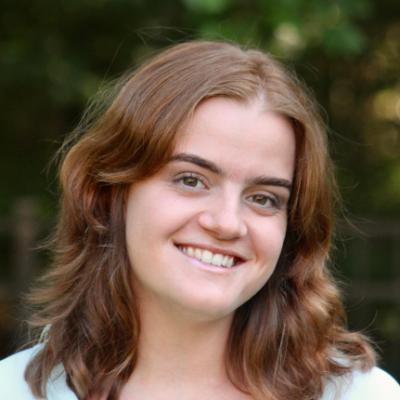
Headshot of Valentina Baehrle , Class of '24

Valentina Baehrle

An international relations major and Slavic studies and music double minor, Valentina joined the Peace and Conflict Pathway to hone in on the aspects of international relations she found most compelling: mediation, peace-building and conflict resolution. 

“My interest in my Symposium topic—music’s ability to be an outlet of resistance throughout various time periods in modern Russia—technically dates back to my freshman year when I learned about Shostakovich’s wartime symphonies in a music history class,” she said. 

Learning about the dynamics of nationalism and ethnic conflict in Europe, especially within the context of the Russian invasion of Ukraine, helped her further synthesize academic interests. 

Originally from the San Francisco Bay area of California, Valentina studied abroad at the Freie Universität Berlin, where she took intensive German language lessons and studied international relations and economics. She then interned at Berlin’s Hertie School Centre for International Security, where she published security briefs and helped write literature reviews and research papers on nuclear weapons and security. On campus, Valentina is a member of the varsity volleyball team and a pianist and violinist in the Music Department. She has also worked as a Chinese language tutor and a music theory tutor, served as a member of the Music Student Advisory Board, and is co-chair of the Government and International Relations Student Advisory Board. 

After graduation, Valentina plans to work for a Washington, D.C.-based NGO focused on peace building or foreign policy and relations before pursuing a master’s degree in either peace studies or international studies at a German university. 

At the Symposium, she is looking forward to sharing her findings with the campus community. 

“My hope is the audience learns that resistance has a long and vibrant history in Russia, that fine arts are integral to Russian identity, and that it is possible to reignite this resistance in the country again,” she said. “Most importantly, I want the audience to leave the Symposium feeling that the West should not give up on the Russian people. In authoritarian countries, it is always incredibly imperative to invest in its citizens.” 


Pathway Requirements


Global/Local Engagement

Each Pathway requires students to pursue purposeful engagement in a local or international context, such as study away, an internship or community-based learning.

Thematic Inquiry

A single course will be offered annually by the Pathway coordinator or another member of the Pathway group. The Pathway group will determine a set of shared goals for the Thematic Inquiry, stressing the importance of the interdisciplinary nature of the class and acknowledging that the students may have quite varied interests. Nevertheless, individual instructors will have the flexibility to design a syllabus of their own within that framework. The class will also include three to five appearances, lectures or conversations with other Pathway faculty to help orient students to the variety of approaches and courses they can take, advisers they can seek and the community being created. Furthermore, the course would include at least one important "signature" event per year that would bring the entire Pathway group of faculty and students together. This could be a symposium, outside lecturer or group community service project. From the beginning of the class, students would know that their goal by the term’s end must include an animating question, a plan for creating a global or local connection, and at least initial ideas about a senior reflection project.


Pathway Courses

All students in the Pathway will complete at least three Pathway courses, based on their specific interests and animating questions.

Example Courses


All-College Symposium


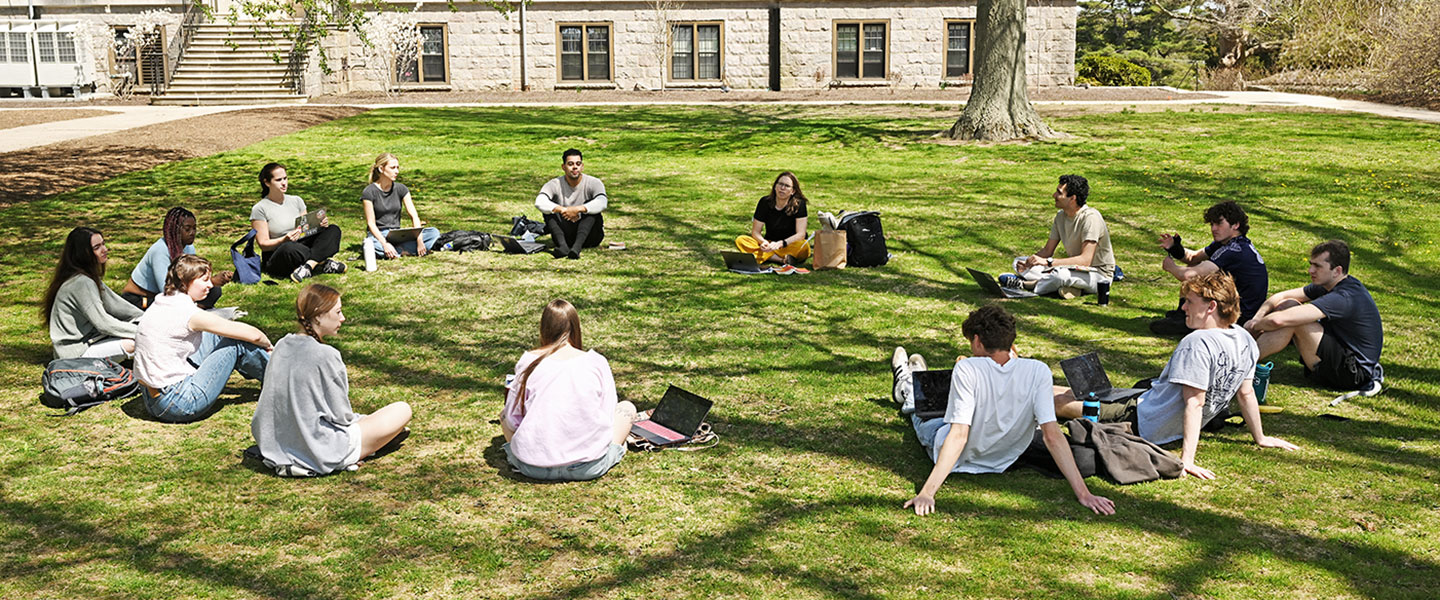
This major student conference highlighted students’ integrative learning in Connections, the College’s reinvention of the liberal arts. 

Through talks, panels and poster sessions, students who participated in the College’s Centers for interdisciplinary scholarship or the Integrative Pathways showcased how their coursework and experiences informed their studies and learning over four years.

All-College Symposium

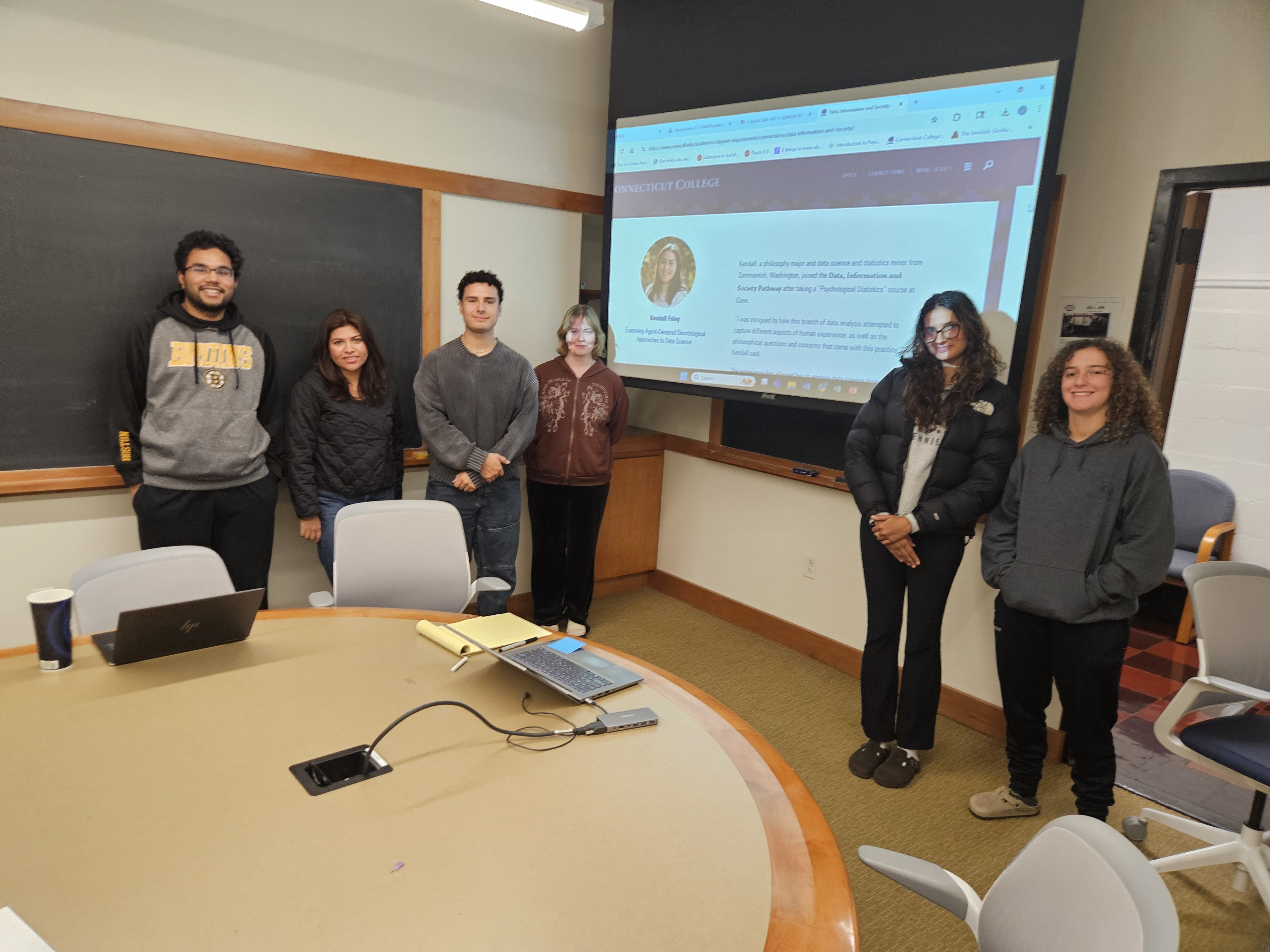
Data Pathway Seniors 2026 Group Photo


Pathway Coordinator


Catherine M. Stock, Barbara Zaccheo Kohn '72 Professor of History, Director of American Studies Program

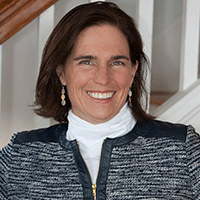
Catherine McNicol Stock

Peace and Conflict Pathway Coordinator, Barbara Zaccheo Kohn '72 Professor of History

Catherine Stock is the author of Rural Radicals: Righteous Rage in the American Grain. She is also the author of Main Street in Crisis: The Great Depression and the Old Middle Class on the Northern Plains, plus the introduction to Dakota Territory, 1861-1889: A Study of Frontier Politics, by Howard Roberts Lamar.

Core Faculty & Staff

Connections

P: 860-439-2899 E: eofri@conncoll.edu

Mailing Address

Connecticut College
Fanning 206
270 Mohegan Ave.
New London, CT 06320

Contact

Libby Friedman ’80
Assistant Dean of the College for Connections

Office

Fanning Hall 206


Connecticut College
270 Mohegan Avenue
New London, CT 06320
admission@conncoll.edu
1 (860) 447-1911
Web Privacy Policy Web Accessibility Notice
  • Facebook
  • Twitter
  • Instagram
  • YouTube
  • LinkedIn
  • TikTok
  • CC Mobile CC Mobile

NOTICE OF NONDISCRIMINATORY POLICY AS TO STUDENTS

Connecticut College admits students of any race, color, national and ethnic origin to all the rights, privileges, programs, and activities generally accorded or made available to all students at the college. It does not discriminate on the basis of race, color, national and ethnic origin in administration of its educational policies, admission policies, scholarship and loan programs, and athletic and other college administered programs.