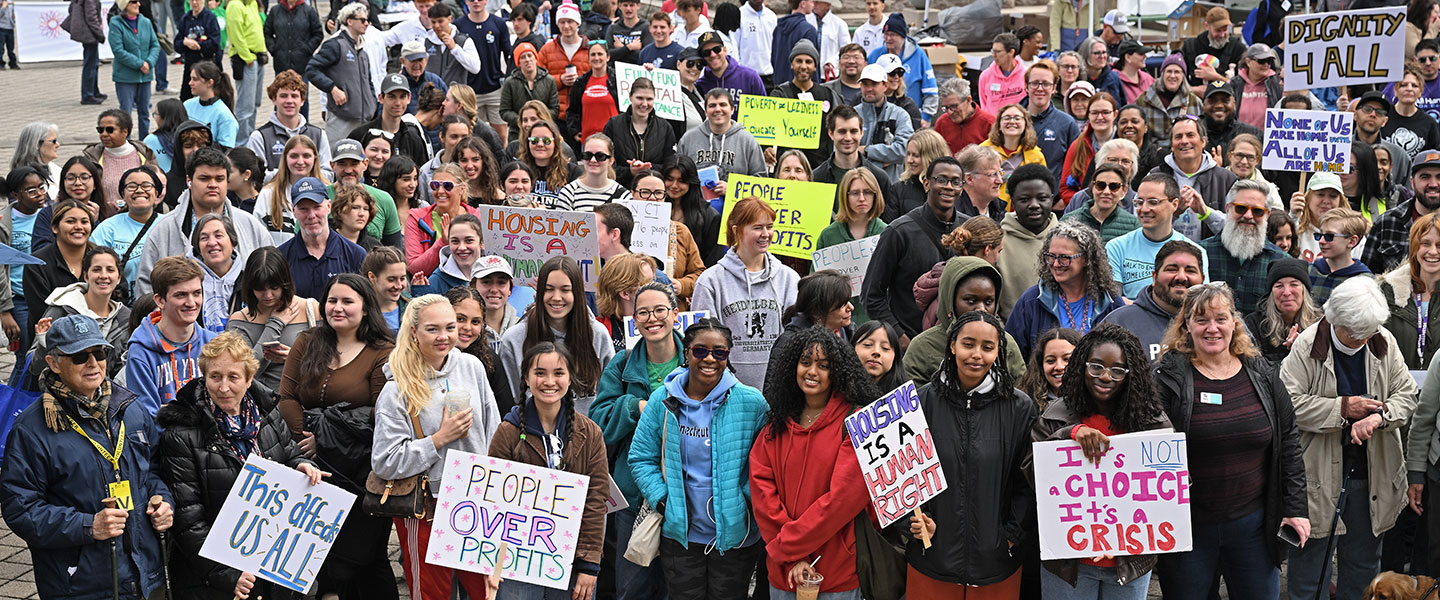
Social Justice and Sustainability
Learn to develop long-lasting solutions to local and global challenges by understanding the connections between social equity, environmental stewardship and economic well-being.
This Pathway brings together social justice and sustainability. Social justice is necessary to sustain institutions, societies and our planet over the long term. The sustainability framework develops long-lasting solutions to local and global challenges by understanding the connections among social equity, environmental stewardship and economic well-being and including these in decision-making and planning processes.
Over three years in this Pathway, students craft new approaches to a more sustainable world for the benefit of all, as they become increasingly aware of how asymmetries of power and privilege operate on a daily basis. Students, staff and faculty become active agents in transforming our world through critical and collective citizenship.
Declan Hunter ’26
Social Justice and Sustainability
In this Pathway, students define sustainability and social justice in relation to their majors and their own lives and career goals:
- Identify long-lasting solutions to local and global challenges.
- Develop these through understanding the connections among social equity, environmental stewardship and economic well-being/justice.
- Recognize the world and its various communities as connected and interdependent.
- Explore the local and the global as existing simultaneously and constituting each other.
- Read power from the bottom up, globally and historically, so as to critique/understand sustainability as social justice (North and South; Developed and Developing; Urban and Rural; Westernized and Indigenous Peoples discourses).
- Analyze issues related to class, race, gender, ethnicity, ability and sexuality as rooted in real material conditions and institutional factors that produce specific forms of inequality.
- Hold ourselves accountable for progress towards these goals.
While students construct their own animating questions, some possible examples include:
- How can governments and organizations around the world balance the societal, economic and environmental necessities of a community?
- How can we guarantee and sustain equitable access to education for all students in the U.S. and other socially divided societies?
- How does the production and/or consumption of a plant or animal compromise the sustainability of the natural environmental and social rights of indigenous populations?
Pathway Requirements
Pathway Courses
All students in the Pathway will complete at least three Pathway courses, based on their specific interests and animating questions.
All-College Symposium
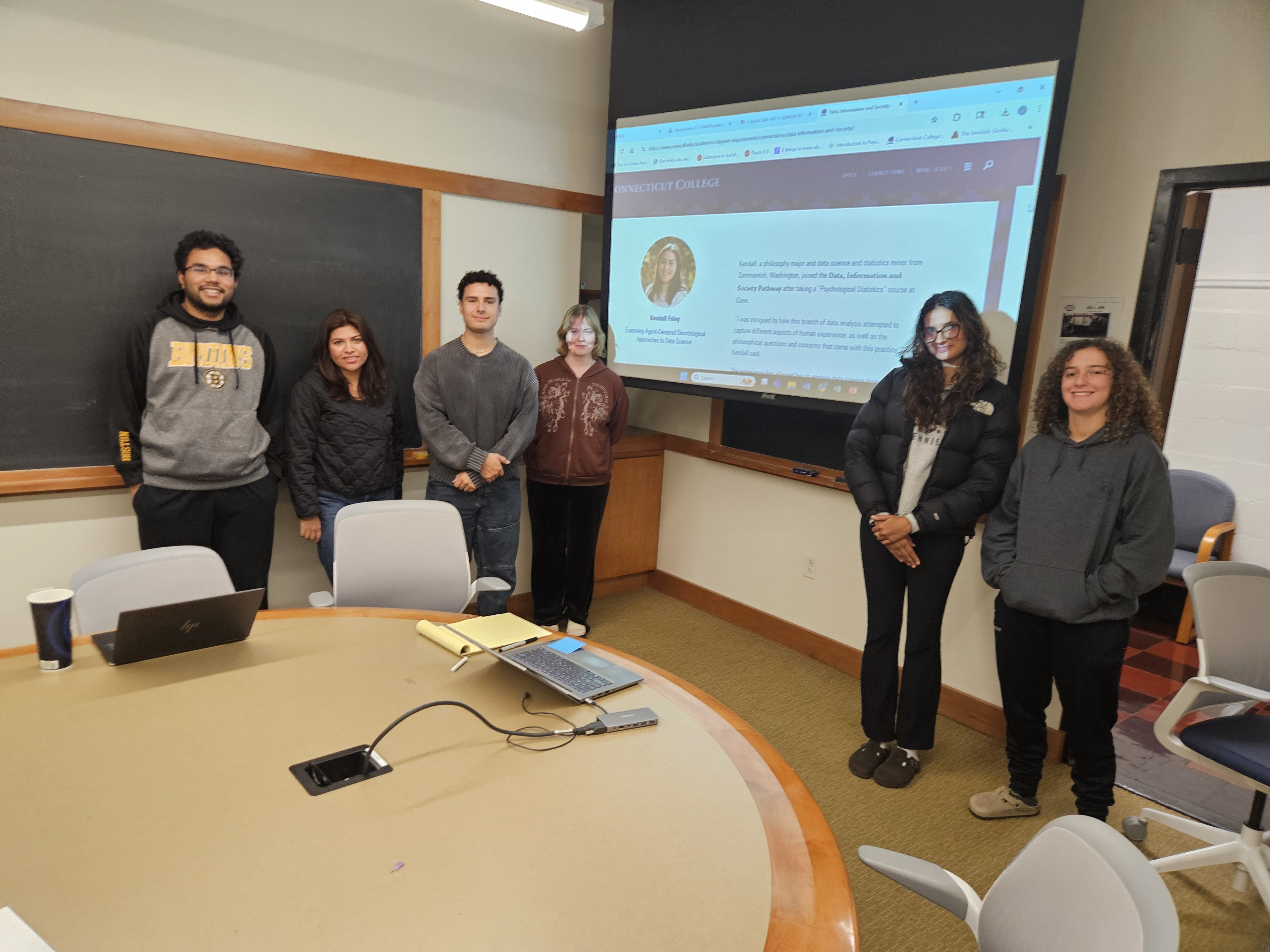
This major student conference highlighted students’ integrative learning in Connections, the College’s reinvention of the liberal arts.
Through talks, panels and poster sessions, students who participated in the College’s Centers for interdisciplinary scholarship or the Integrative Pathways showcased how their coursework and experiences informed their studies and learning over four years.
Pathway Coordinator
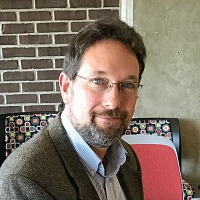
Leo J. Garofalo
Social Justice and Sustainability Pathway Coordinator, Virginia Eason Weinmann '51 Professor of History
Leo Garofalo's current research is on the Afro-Iberian roots of Andean witchcraft and the Atlantic and European routes of the West African Diaspora to the sixteenth- and seventeenth-century Andes.
Connections
Mailing Address
Connecticut College
Fanning 206
270 Mohegan Ave.
New London, CT 06320
Contact
Libby Friedman ’80
Assistant Dean of Connections