Majoring in Global Islamic Studies
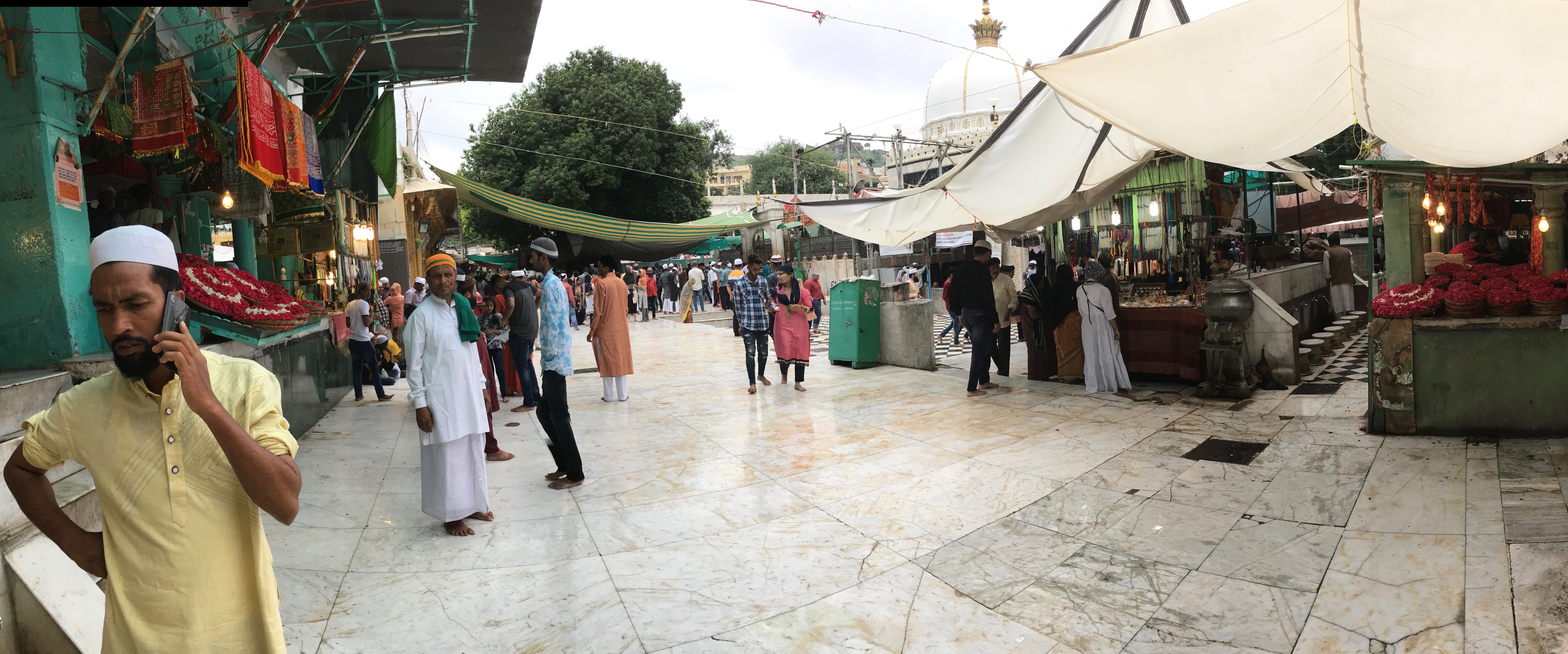
The Global Islamic Studies Major (GIS) is a transdisciplinary approach to the study of Islam, Muslim societies, and the diverse historical, cultural, political, and religious experiences of Muslims across the globe. The program examines Islam and Muslim communities through comparative, historical, and global perspectives, recognizing that Muslim experiences cannot be reduced to a single region, culture, or political context. Rather than treating Islam as confined to the Middle East, Global Islamic Studies explores the ways Muslim communities have shaped and been shaped by local, regional, and global processes across Africa, Asia, Europe, North America, and beyond.
Global Islamic Studies builds on and reimagines earlier traditions of Area Studies and Islamic Studies by emphasizing connections, mobility, exchange, and the circulation of people, ideas, cultures, and institutions across borders. The program encourages students to examine how historical and contemporary processes—including colonialism, migration, globalization, nationalism, race, gender, war, law, and political economy—have influenced Muslim societies and their interactions with the wider world.
Global Islamic Studies is a means of developing specialized knowledge about Islam and Muslim communities while also cultivating a broader understanding of the global contexts in which they exist. Students explore key concepts and debates such as citizenship, identity, secularism, religion, justice, Islamophobia, Orientalism, human rights, conflict, and belonging. Through the study of both Core GIS courses and Contextual courses, students learn to connect the experiences of Muslim communities to larger social, political, cultural, and historical processes.
Global Islamic Studies integrates faculty expertise from a wide range of academic departments and interdisciplinary programs, including Art History and Architectural Studies, English, Government and International Relations, History, Sociology, and World Languages and Cultures. Faculty research and teaching engage Muslim communities across multiple regions and historical periods, allowing students to study Islam in deep historical, comparative, and global contexts.
One of the College’s most innovative interdisciplinary programs, Global Islamic Studies reflects Connecticut College’s commitment to examining cultures, societies, and global systems through critical, comparative, and interdisciplinary inquiry. The program prepares students to engage thoughtfully with the complexity and diversity of the contemporary world.