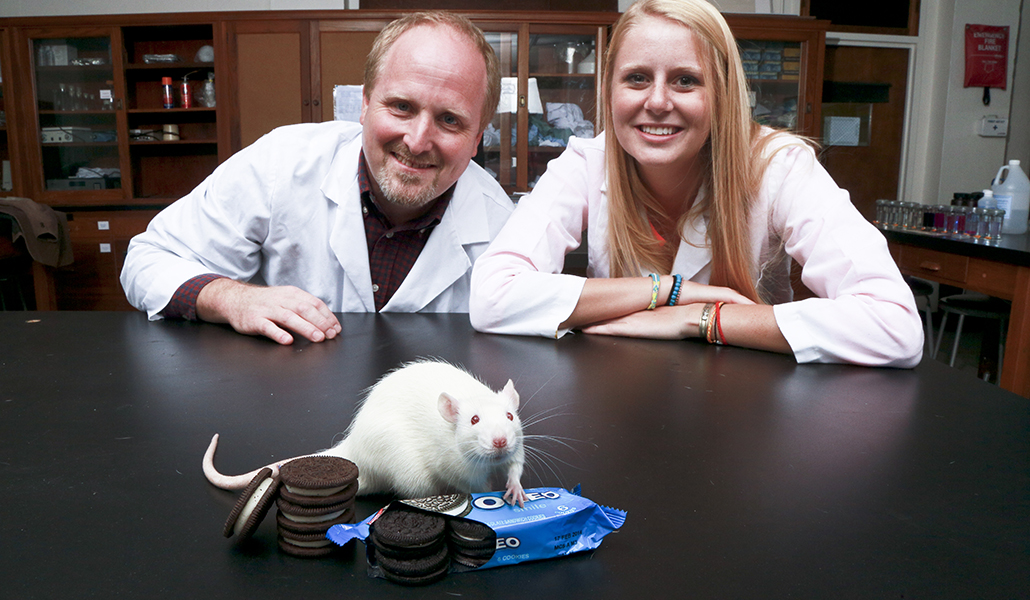
A different kind of academic journey
The world needs leaders who are intellectually courageous, inventive, resourceful and resilient to address the new and complex problems of our time.
At Conn, we’ve created a true academic journey, one that encompasses all four years of your life on campus.
Instead of providing a checklist of course requirements, though, our comprehensive four-year approach, Learn More About Connections, integrates everything you do as a student here—your classes, your major, your study abroad, your internship—into habits of mind you can draw on for the rest of your life.
9:1
student to faculty ratio
19
students on average per class
96%
of our 187 full-time professors hold a doctorate or equivalent

Understand the world from the ground up
World-changing social movements and social innovation often start at the community level. Conn offers you a multitude of ways to get close to the day-to-day challenges, the aspirations, and the nuances of communities—whether that community is in our hometown, the seaport city of New London, or across the globe. These firsthand experiences are designed to open up your mind and your heart, and help you think about the kinds of problems you’d like to help solve.
In the summer before your senior year, you’ll take everything you’ve learned and put it to work in an internship—and because Conn guarantees $3,000 in funding for every qualifying internship, you can afford to choose one that fully reflects your newly broadened sense of possibility.
25%
of students study away
46
countries represented within the student body
12
languages offered