Integrative Pathways and Centers
What is an Integrative Pathway?
An Integrative Pathway at Connecticut College is a structured set of interdisciplinary courses and experiences organized around a central theme. A cornerstone of Connections, Integrative Pathways are modeled on the College’s centers for interdisciplinary scholarship and help you explore complex issues you care about from multiple perspectives.
Each Pathway connects your coursework with an off-campus learning experience, such as study away or a summer internship. With support from faculty and academic advisers, you’ll develop an “animating question”—a personally meaningful question that gives focus to your courses, off-campus experience and Pathway as a whole.
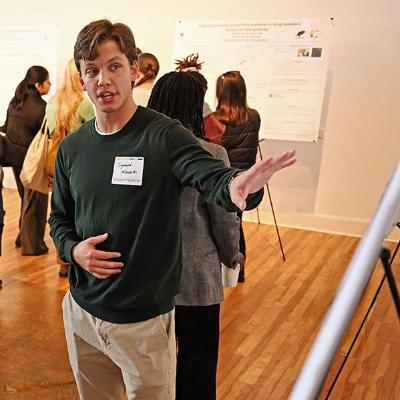
In the fall of your senior year, you’ll bring together what you’ve learned and present the results of your integrative studies alongside your classmates at an all-College symposium.


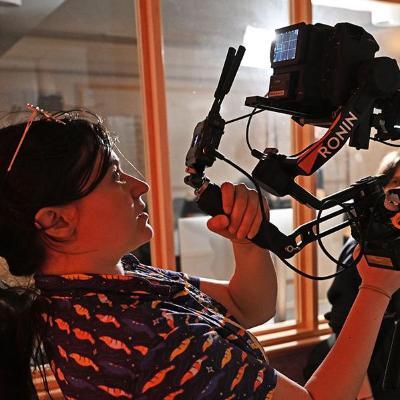
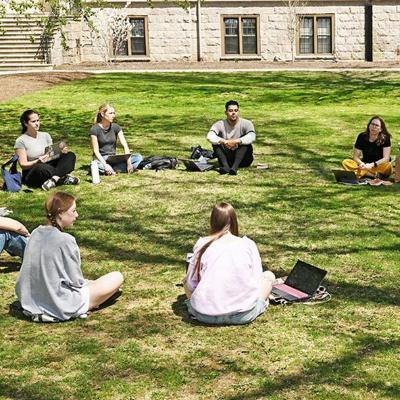

Core Components
Centers for Interdisciplinary Scholarship / Certificate Programs
What is an Center?
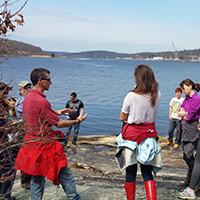
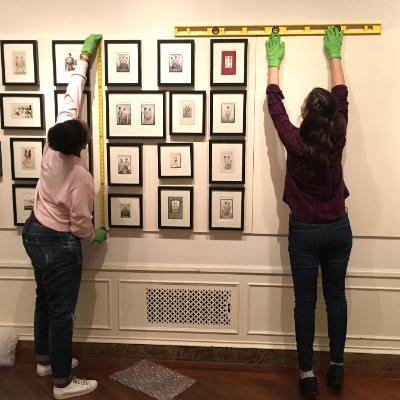
Connecticut College is home to six centers and certificate programs for interdisciplinary scholarship, each with a different focus: international studies, the environment, arts and technology, public policy and community action, museum studies and the study of race and ethnicity. The centers offer student certificate programs that can be combined with any major.
Certificate students complete specialized coursework, a funded internship and a sophisticated senior integrative project. But the impact of the centers extends far beyond the approximately 12 percent of graduates who earn certificates each year. All five centers sponsor symposia, lectures and other activities that bring together faculty and students from every department.



All-College Symposium
This major student conference highlighted students’ integrative learning in Connections, the College’s reinvention of the liberal arts.
Through talks, panels and poster sessions, students who participated in the College’s Centers for interdisciplinary scholarship or the Integrative Pathways showcased how their coursework and experiences informed their studies and learning over four years.

Connections
Mailing Address
Connecticut College
Fanning 206
270 Mohegan Ave.
New London, CT 06320
Contact
Libby Friedman ’80
Assistant Dean of the College for Connections